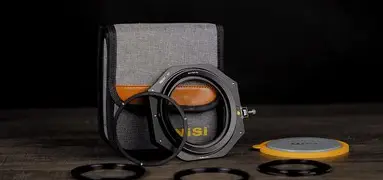
Difference Between Fujifilm X E5 and Nisi V7 Filter Kit Explained
Photographers often compare cameras and accessories as if they were interchangeable choices, but the Fujifilm X E5 and the Nisi V7 Filter Kit solve very different problems. One is a primary imaging device; the other is a tool that shapes light before it reaches the sensor. This article separates the roles, strengths, and typical buyers’ considerations for the Fujifilm X E5 and the Nisi V7 Filter Kit. It examines real-world use cases, key technical and practical differences, and offers a buying guide to help photographers decide which investment makes sense for their workflow.
Introduction: Two complementary but distinct tools
At first glance the comparison sounds odd: a mirrorless camera body versus a filter system. Yet photographers—especially those building a kit for landscape, travel, or hybrid photo/video work—must decide how to allocate limited resources. The Fujifilm X E5 is a compact mirrorless camera designed to capture images; the Nisi V7 is a modular filter holder system designed to control exposure, reflections, and dynamic range in-camera. Understanding what each delivers in practice clarifies where each should sit in a photographer’s bag.
Detailed product review and analysis
Fujifilm X E5 — what it brings to the table
The Fujifilm X E5 is a compact, rangefinder-styled APS-C mirrorless camera aimed at photographers who value portability, image quality, and Fujifilm’s well-regarded color science and film simulations. In everyday use it appeals to street, travel, and documentary shooters who want a lightweight body and strong JPEG output straight from the camera, while still having access to a broad lineup of Fujifilm X-mount lenses.
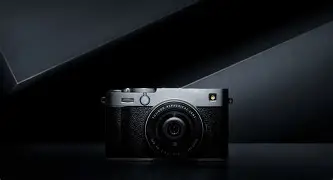
Key real-world features and behavioral notes:
- Portability and handling: The X E5’s rangefinder form factor and modest weight make it comfortable for long walks and travel days. It fits well with prime lenses (23mm, 35mm equivalents) favored by street shooters.
- Image output: Fujifilm’s color profiles and film simulations are useful for photographers who prefer minimal post-processing. The RAW files remain versatile for more advanced edits.
- Lens ecosystem and adaptability: Using the X-mount gives access to compact primes and modern zooms. The system is particularly strong for photographers who prioritize small, sharp lenses over heavy telephoto work.
- Video capability: The camera typically covers creators who need 4K-capable footage at sensible frame rates, with simple ergonomics for run-and-gun shooting or on-stabilizer setups.
- User interface: Physical dials, Fujifilm menus, and film-simulation previews make the camera enjoyable for photographers who like tactile control and immediate visual feedback.
Nisi V7 Filter Kit — what it offers
The Nisi V7 Filter Kit is a professional-grade filter holder system. It is intended primarily for landscape photographers, long-exposure shooters, and anyone who needs precise control over reflections, saturation, and dynamic range in the field. Rather than capturing images itself, the V7 manipulates light so the camera can expose in ways that would otherwise be impossible or require heavy post-processing.
Looking for the best Cameras & Photography deals on Amazon?
Browse Now →Practical strengths and behavioral notes:
- Graduated control: With square/rectangular graduated neutral-density (GND) filters, the V7 lets users balance bright skies and darker foregrounds—useful for sunrise/sunset and high-contrast scenes.
- Neutral density (ND) options: Solid ND filters enable long exposures in daylight for smoothing water or creating motion blur in clouds, while preserving color neutrality and sharpness.
- Polarizer integration: The kit commonly includes a rotatable circular polarizer or a polarizer insert, which reduces reflections and increases color saturation—crucial for water and foliage scenes.
- Build quality and modularity: The V7 system typically emphasizes a robust (usually metal) holder, low profile to minimize vignetting, and compatibility with a range of adapter rings for lens sizes.
- Field workflow: The V7 is a hands-on tool. Filter placement, orientation, and rotation are manual operations that require time and practice in the field.
Pros & Cons
Fujifilm X E5
- Pros:
- Compact, travel-friendly body and comfortable handling.
- Strong color reproduction and useful film simulations for quick output.
- Access to a mature lens ecosystem with many compact prime options.
- Good balance of photo and video features for hybrid creators.
- Quick startup and responsive controls for street photography.
- Cons:
- Limited if a photographer requires full-frame shallow-depth rendering or extreme low-light performance compared with larger sensors.
- Depending on configuration, some users may want more physical stabilization options (in-body or lens-based).
- Smaller battery and fewer accessory ports than some larger bodies, which affects long shooting days or pro video setups.
Nisi V7 Filter Kit
- Pros:
- Powerful control over exposure and reflections in-camera—reduces reliance on heavy post-processing.
- High-quality optical glass and coatings usually minimize color casts and loss of sharpness.
- Modular holder and adapter rings make it compatible with multiple lenses.
- Durable build designed for field use in landscape and seascape photography.
- Cons:
- Adds weight, bulk, and setup time—less suited for fast-moving street or travel shooters who need to react quickly.
- Potential for vignetting on very wide-angle lenses unless using the correct system size or stepping up to larger holders.
- Learning curve for effective use of graduated filters and polarizers, especially with complex light situations.
Direct comparison at a glance
The following table summarizes attributes where it makes sense to compare the two different categories: core purpose, typical users, and how they affect image-making.
| Attribute | Fujifilm X E5 | Nisi V7 Filter Kit |
|---|---|---|
| Category | Mirrorless camera body (primary imaging device) | Filter holder system and optical filters (accessory) |
| Primary purpose | Capture images/video with high image quality and Fujifilm color science | Control reflections, manage dynamic range, or create long exposures in-camera |
| Typical users | Street, travel, documentary, hybrid photo/video creators | Landscape, seascape, architectural, and long-exposure photographers |
| Portability | High — designed for carry-all-day use | Moderate — adds weight and bulk depending on filters carried |
| Learning curve | Low-to-moderate — familiar camera controls and presets shorten ramp time | Moderate — requires understanding of filter strengths, orientation, and stacking |
| Cost impact | Higher single-item investment; defines image quality ceiling | Lower-than-camera but accumulative; can be significant for high-quality sets |
| Longevity | Core system investment with resale and upgrade path via lenses | Long-lasting if optical quality is maintained; reusable across multiple bodies |
Real-world use cases: when to prioritize each
Prioritize the Fujifilm X E5 when:
- The photographer needs a lightweight, all-day carry camera for travel or street work where agility and discretion matter.
- Workflow prioritizes excellent JPEGs straight out of the camera, minimal post-processing, or rapid delivery of images for editorial use.
- Video capture is part of the job and the user needs a compact hybrid solution that integrates easily with gimbals and small accessory rigs.
- Budget limits require prioritizing the primary imaging system over accessories—investing in a good body and a couple of lenses will have the largest immediate impact on image quality.
Prioritize the Nisi V7 Filter Kit when:
- Landscape and seascape photography are frequent; achieving balanced sky-to-ground exposures or long exposures is essential.
- Architectural work requires controlling reflections or improving contrast in glass and water without relying on software fixes.
- The photographer already owns a capable camera body and lenses but wants to expand creative control on location rather than in post.
- Output demands (large prints, client deliveries) require pristine color neutrality and optical sharpness that lower-grade filters cannot deliver.
Buying guide: what to consider before purchasing
Both purchases should be deliberate. Consider the following checkpoints when deciding between—or when buying both—the Fujifilm X E5 and the Nisi V7 Filter Kit.
Questions to ask about the camera
- What are the main genres of photography? Street and travel photographers will value size and discrete handling; landscape and studio shooters may want larger sensors or more robust ergonomics.
- Which lenses will be used most? The lens lineup determines the practical focal lengths and the types of filters needed (filter thread sizes, step-up rings, or holder compatibility).
- Is in-body stabilization important? If handheld low-light or video work dominates, stabilization can be a deciding factor.
- How much post-processing is expected? If minimal editing is preferred, the camera’s JPEG output and in-camera tools become more valuable.
- Accessory ecosystem and longevity: Check availability of batteries, grips, and firmware updates; consider resale value if upgrading later.
Questions to ask about the filter kit
- Which filter sizes does the lens lineup require? Wide-angle lenses often need larger holders to avoid vignetting; confirm adapter ring ranges and compatibility.
- What types of filters are prioritized? Decide between solid ND, graduated ND, and polarizers based on shooting preferences. A kit that allows mixing these is most flexible.
- Optical quality and coatings: Look for neutral color rendering, multi-coatings for flare resistance, and strong scratch resistance.
- Ease of use in the field: Rotating polarizers, quick slot changes, and secure locking mechanisms reduce setup time and frustration.
- Future-proofing: Choosing a holder with broad adapter support or investing in a larger system upfront can avoid needing replacements when adding lenses.
Practical pairing tips
- If the Fujifilm X E5 is the body, select filters and adapter rings that minimize vignetting on the widest frequently used lens.
- For fast, reactive work (street/travel), prioritize a compact polarizer or small ND rather than a full holder—speed often trumps absolute image control.
- For landscape trips, plan the filter selection by location and season: strong grads for alpine scenes at sunrise, larger ND values for coastal long exposures.
- Invest in a cleaning kit and protective cases—high-quality filters are optical investments that pay off when maintained.
Maintenance, long-term value, and resale considerations
Both camera bodies and filter kits hold value when well cared for. For the camera, regular sensor cleaning, careful battery storage, and use of protective coverings preserve resale value. For filters, avoid scratches, store filters in padded cases, and wipe only with proper microfiber and solutions to preserve coatings. High-end filters and established camera bodies generally retain more of their original value compared with lower-cost alternatives.
Shop the latest Cameras & Photography picks on Amazon.
Browse Now →Conclusion
The Fujifilm X E5 and the Nisi V7 Filter Kit are complementary components of a photographer’s toolkit rather than direct substitutes. The X E5 determines the image capture capability—sensor performance, autofocus, ergonomics, and color—and is therefore the foundational investment for most photographers. The Nisi V7 Filter Kit expands what is possible with that camera, enabling precise exposure control, creative long exposures, and reflection management that can be difficult to reproduce in post without trade-offs.
Choosing between them depends on where the photographer is in their craft and what problems they need to solve today. For mobility, fast-paced shooting, and a tight travel kit, prioritizing the camera makes sense. For landscape and long-exposure work where in-camera control of light transforms the final image, a high-quality filter kit becomes indispensable. For many photographers, the optimal path is sequential: secure a camera body and a couple of key lenses first, then add a filter system like the Nisi V7 when the shooting style or client needs demand it.