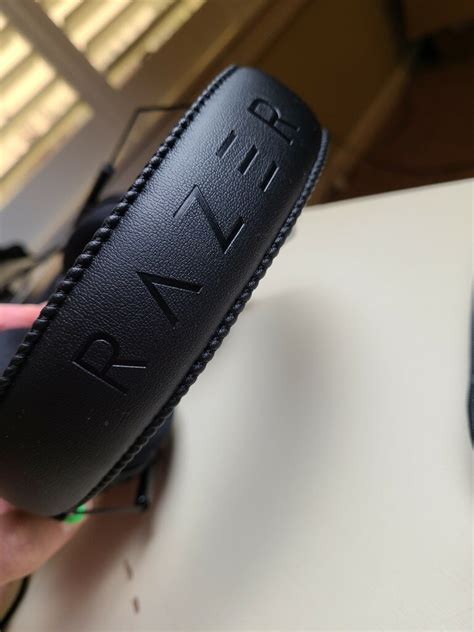
Blackshark V2 Review: Real User Experience After 3 Months
I've been using the Blackshark V2 as my daily gaming and work headset for the last three months, and I wanted to share a detailed, honest account of how it performs in real life. I bought it because I wanted something lightweight, comfortable for long sessions, and with a microphone that didn't require a separate desktop mic. I've logged dozens of hours in multiplayer matches, some long single-player sessions, and plenty of video calls — here's what I found.
Introduction
When I first unboxed the Blackshark V2, my expectations were modest: a mid-range gaming headset that promised comfort and clear sound. After 90 days of use, I've developed a nuanced opinion. There are things I really like about this headset and a few trade-offs that matter if you're picky about tonal balance or materials. In this review I'll cover fit and comfort, sound quality (games, music, movies), microphone performance, build and controls, software experience, long-term comfort and durability, and practical notes about compatibility and value.
What I used it for
- Competitive FPS (team voice chat, positional awareness): Valorant, CS:GO.
- Open-world and story games for immersion: Cyberpunk-style titles and RPGs.
- Daily work: video calls, long Zoom/Teams meetings.
- Music and movies occasionally — I’m not an audiophile, but I care about clarity.
Unboxing and first impressions
Out of the box the Blackshark V2 felt light. The packaging was straightforward and nothing flashy; it contained the headset, the detachable microphone, and the cables I needed for PC and mobile use. The ear cups have a breathable fabric finish (not leatherette), which I appreciated because it felt cooler after several hours. The headband sat comfortably on my head without sharp pressure points. Initially the clamp felt firmer than I expected, which reassured me the headset wouldn't slip during movement, but it relaxed a little over the first couple of weeks.
Comfort and fit (what matters in daily use)
Comfort is where the Blackshark V2 immediately won me over. In my experience, the memory-foam-like padding on the ear cups is both soft and supportive. I routinely wear it for 3–5 hour stretches without the kind of soreness I used to get with my old headset. The ear cups are on the deeper side, so my ears aren't pressed against drivers — that helps for long sessions.
What I appreciated:
- Breathable ear pads that reduce the hot-ear feeling.
- Light overall weight — noticeable compared to bulkier headphones.
- Detachable mic makes the headset less awkward for everyday "headphones mode."
What bothered me:
- The clamping force softened over time, which is comfortable but made me worry about long-term headband elasticity.
- If you wear glasses, the pads squeeze the temples a little — it’s tolerable but noticeable after long meetings.
Sound quality — gaming, movies, and music
Sound is the biggest reason I kept the Blackshark V2 on my desk. For gaming, I noticed very good positional clarity. Footsteps and directional cues in competitive matches were easy to localize, and I could reliably tell left vs right and front vs far behind. That made a real difference in team games where positional audio matters.
The sound signature felt slightly tuned toward a clean top end and controlled bass. Explosions and low-frequency effects have weight but aren’t boomy; they feel controlled. Vocals and in-game dialogue came through clearly — I found mids to be present, though not overly forward. For movies, cinematic moments had decent impact, and voices stayed intelligible during louder scenes.
For music, the headset is competent but not exceptional. I liked acoustic and electronic tracks more than dense orchestral or very bass-heavy music. The V2 doesn't give the same depth or air as high-end open-back headphones, but it doesn't intend to; it’s made for gaming and mixed use. If you want neutral, studio-grade accuracy, this isn't it — but if you want an engaging, clear sound that helps in games and doesn't flatten music, I was satisfied.
One caveat: very bright or sibilant tracks can highlight the treble a bit. After extended listening sessions, I noticed some fatigue if I pushed the volume high and listened to treble-forward songs. Keeping the volume at a comfortable level or adjusting EQ in software fixed this for me.
Looking for the best Audio & Headphones deals on Amazon?
Browse Now →Microphone performance
The detachable microphone is one of the most practical parts of this headset. In calls and in-game chat I found my voice to come through clearly enough that teammates didn't ask me to repeat myself, and the mic’s directional pickup limited ambient noise on my end so background fans and keyboard clicks were reduced.
What I liked:
- Clean and present voice capture suitable for calls and competitive comms.
- Detachable and flexible boom — easy to position and store when not needed.
What disappointed me:
- The mic sounded slightly processed and compressed compared to a dedicated USB condenser. It’s fine for gaming and work, but podcasters or streamers who care about mic fidelity will notice the difference.
- In very noisy environments (open-plan offices, loud background), the mic still picks up a bit more than I’d like — it’s not a miracle noise-cancelling microphone.
Build quality and day-to-day durability
The Blackshark V2 feels mostly plastic, but not cheap. The joints and sliders are stiff where they should be, and after three months of regular pulling on the headset, plugging and unplugging the cable, and tossing it on my desk, nothing wobbled loose. The cable is braided on my unit and has held up without frays.
I kept worrying about scuffs and the plastic finish showing wear; I did notice minor surface marks where I rested the headset against a desk edge, but nothing structural. If you’re rough with gear, you’ll probably outgrow the materials eventually, but in normal use I didn’t feel fragile.
Controls and software
My unit has an inline volume control and a mic mute function. Those are simple, reliable, and convenient — I appreciated being able to twist volume mid-game without reaching for the system. There’s a companion software suite that allows EQ tweaks and virtual surround options. I used it to gently reduce the upper treble and boost low-mid presence for a warmer sound. The software did what I needed but wasn’t flashy; it’s functional, stable, and not required unless you want to tune the headset.
Compatibility and connectivity
I used the Blackshark V2 with PC (3.5mm and USB adapter), Nintendo Switch in handheld mode, and mobile for calls. On the Switch and mobile, it worked instantly with no fuss. On PC, plugging through the 3.5mm jack gave me the expected stereo sound; the USB adapter added software functionality and virtual surround when I wanted it.
Note: your mileage will vary with consoles if you want chat audio mixed differently or use specific surround formats — check your system's audio routing preferences. For basic plug-and-play, it was flawless for me.
Long-term comfort and what changed over 3 months
What surprised me is how the headset "settled in." The headband softened slightly, and the clamp reduced tension — I noticed that after a few weeks. That made it more comfortable but also slightly less secure when I moved my head quickly. The ear pads compressed a bit but still offered good comfort. Overall, I felt the headset matured from "firm and snug" to "easy to forget on your head," which I liked for long sessions.
Discover deals on Audio & Headphones — updated daily.
See Deals →Pros & Cons
- Pros:
- Very comfortable for long gaming and work sessions.
- Clear positional audio and good imaging for competitive gaming.
- Detachable mic with solid voice clarity for chat and calls.
- Lightweight build that still feels sturdy in everyday use.
- Works well across PC, console, and mobile with simple plug-and-play.
- Cons:
- Sound can be slightly bright for some tracks — occasional treble fatigue at high volumes.
- Microphone is good for voice chat but not on par with standalone desk mics.
- Materials are mostly plastic; long-term heavy use may show wear.
- Clamp relaxes over time — comfortable, but may reduce a feeling of security for very active users.
Comparison table — Blackshark V2 vs two similar headsets I considered
| Feature | Blackshark V2 (my unit) | Competitor A (Comfort-focused) | Competitor B (Pro mic-focused) |
|---|---|---|---|
| Comfort (long sessions) | Excellent — breathable pads, light weight | Very good — thicker padding, a bit heavier | Good — firmer clamp, less breathable pads |
| Gaming positional audio | Very good — clear cues, precise imaging | Good — wider soundstage but less precise | Very good — tuned for competitive clarity |
| Microphone quality | Good for calls — slightly processed | Average — adequate for chat | Excellent — closer to standalone mics |
| Build materials | Mostly plastic, feels solid | Hybrid metal/plastic — more premium | Plastic but with reinforced headband |
| Software / EQ | Basic but useful EQ and surround | Minimal software, relies on hardware tuning | Full-featured software with strong mic processing |
| Best for | Balanced gamers who want comfort and clarity | Users prioritizing plush comfort for long wear | Streamers or users prioritizing voice quality |
Buying guide — how to decide if the Blackshark V2 is right for you
When I was shopping, I asked myself a few practical questions that helped me decide. Here are the same questions and how I think you should use them to guide your decision.
1. Will you wear it for long sessions?
If you routinely game or work for 3+ hours at a time, comfort should be your top priority. The Blackshark V2 excels here because of its lightweight design and breathable pads. If you want the plushest possible pads regardless of weight, look at models marketed specifically for "all-day comfort." For me, the balance of low weight and breathable padding made the V2 my go-to.
2. How important is microphone fidelity?
If you stream, podcast, or produce audio where your voice needs top-tier quality, a headset microphone — including the V2’s — will usually be a compromise compared to a dedicated desktop mic. In my experience the V2’s mic is fine for team chat and remote work calls but not a replacement for a condenser USB mic. If you only need to talk in games or occasional calls, this mic is good and convenient.
3. Are you sensitive to bright treble?
I noticed that the V2 can be slightly bright with some tracks. If you’re sensitive to sibilance or listen to a lot of high-energy electronic music at loud volumes, try to audition the headset first or check return policies. Alternatively, plan to adjust EQ in software — that fixed it for me.
4. What platforms will you use it with?
The headset works well across PC, consoles, and mobile. If you plan to hop between devices often, make sure you have the right cables and that your platform supports the headset's optional features (like virtual surround if you care about that). I appreciated plug-and-play simplicity on console and mobile, and the extra PC software when I wanted to tweak sound.
5. Do you care about long-term build premium?
The V2 is robust for normal use but leans on plastic parts. If you want metal frames and a higher-end finish, you’ll pay more. For my usage, the balance of durability and lightness was fine.
Practical tips from my experience
- Try slightly warmer EQ settings if you find the headset too bright; boosting low mids and trimming highs made music much more pleasant for me.
- If you wear glasses, plan a short break every couple of hours — the pads press the temples slightly, but it's manageable.
- Keep the mic a small distance from your mouth and angle it slightly to reduce plosives; this simple tweak improved my call quality noticeably.
- Use the detachable mic and carry pouch (if included) when commuting — the detachable design reduces wear on the boom.
Final thoughts and conclusion
After using the Blackshark V2 for three months, I can say it's the headset I reach for when I want a comfortable, capable gaming headset that also doubles as a solid work and casual listening companion. I appreciated its light weight, long-session comfort, and excellent positional audio in games. The microphone is reliable for team chat and meetings, though not a replacement for a dedicated studio mic. There were small annoyances — a slightly bright top end on certain tracks and the clamp easing over time — but none of them were deal-breakers for my needs.
If you want a headset that handles competitive gaming well, stays comfortable during long sessions, and doesn't force you into a separate microphone solution for everyday use, the Blackshark V2 is a strong pick. If you need absolute studio-level audio or the very best headset microphone quality, you might want to pair it with a dedicated microphone or look at higher-end alternatives. For me, having a single, comfortable headset that works across games, meetings, and casual listening has made it a daily driver — after three months, I still reach for it first.